The Manual Process That Got You Here Is the Thing Holding You Back
Most owner-operators I meet are convinced their problem is tooling.
It usually isn't. The processes are often excellent. We've recently been working with a complex manufacturing business that has more than 400 documented procedures, written to a genuinely high standard. By any reasonable measure, this is a well-run company with a strong growth path ahead.
And yet growth was slowing. Why?
Documenting a process is not the same as managing it
A process is the agreed way work gets done. A system is what manages that process so it doesn't depend on a person remembering, chasing, or carrying it. These are two completely different things, and conflating them is the single most common mistake I see in growing businesses.
When there is no system underneath, the process doesn't disappear. It just gets carried by people. One person holds the product launch sequence in their head. Stock takes rely on a paper record that moves desk to desk and occasionally goes missing. A handful of critical decisions sit with one or two individuals who happen to be very good, right up until they are suddenly not available. Two week summer holiday, anyone?
It all works. Right up until it doesn't.
The cost you can see, and the cost you can't
There are two costs hiding in here, and most owners only worry about the first.
The visible one is catastrophic failure. The moment a key person leaves, falls ill, or simply takes a well-deserved break, you discover that what you thought was a process was actually a person. The artwork goes out wrong. The batch record can't be found. The launch slips. This is the risk owners can picture, and because nothing has broken yet, it feels theoretical.
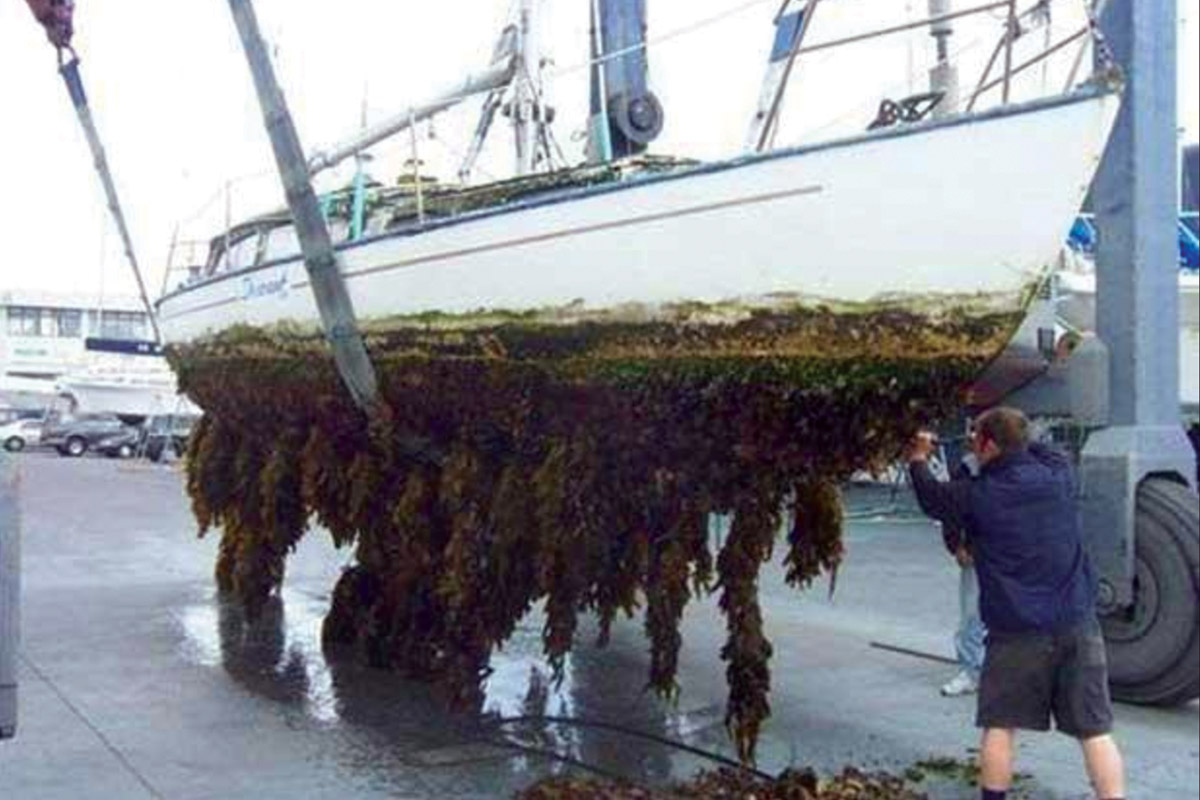
The quieter cost is the one you pay every single day rather than all at once. Manual drag is like barnacles on a hull. No single one slows you down. But left alone they accumulate beneath the waterline, unseen, and the boat that used to cut through the water is suddenly working twice as hard for the same speed. The growth doesn't stop dramatically. It just gets heavier, and you burn more fuel to hold the pace you used to manage effortlessly.
This is often why, counter-intuitively, margins get tighter as a company gets bigger rather than improving. You would expect scale to bring efficiency. Instead, every new product, market, or customer adds another layer of manual handling, another paper record, another decision that has to route through a person. The drag compounds faster than the revenue. You are growing, but each unit of growth costs you more than the last.
The instinct to stay manual is a good one
Here is the part that gets lost in most consulting conversations: the decision to stay manual is often the right call. Buying systems too early is its own trap. Put a heavy tool in too soon and the business starts organising itself around what the software wants rather than the outcome you are chasing. You end up feeding the machine instead of feeding the product.
The business I mentioned earlier did this deliberately and well. They mapped their processes before committing to systems, which means they own their workflows rather than inheriting an opinionated vendor's version of them. That is a genuine asset, and it is rarer than it should be.
The trouble is that the inflection point arrives quietly. There is no alarm that sounds when manual stops being prudent and starts being a brake. By the time you can feel the drag, you are already past the point where you should have acted. The barnacles are already on the hull.
Scraping the hull is not about removing people
When we talk about introducing systems, owners often hear "replace the team." That is not what this is.
Scraping the hull is the removal of the accumulated steps in a process that, individually, seem trivial, but in aggregate add real drag to the growth curve. The manual copy from one form to another. The signature chased across three desks. The information re-keyed because two systems don't talk. None of these is a person. Each is a barnacle.
Take those away and you don't lose the people. You free them. The same talented individuals who were holding the business together through sheer effort and memory get to spend that effort on the work that actually grows the company, the work no system can do for you. The automation supports the people. It does not replace them.
How to tell if this is your business
Ask yourself a few honest questions:
- Has the business grown faster than the systems holding it up?
- When you think about your most critical workflows, are they managed by infrastructure, or by a few people who happen to be very good?
- What genuinely happens when one of those people takes two weeks off?
- Are your margins improving as you scale, or quietly tightening?
If the load is landing on people rather than on systems, and if your margins are heading the wrong way as you grow, that is not a tooling decision. It is a structural one. And like a hull, it is far cheaper to maintain deliberately and periodically than to leave until the drag forces your hand.
That structural drag, where it sits, what it costs, and what to do about it first, is exactly what we map for a living. We don't sell tools and we have no vendor to push. We help you understand the operating system underneath your business before anyone spends a penny on software.
If any of this sounds like your business, I am always happy to talk.